Labor Day Fun Facts & Family Safety Tips for a Safe End-of-Summer Weekend
· 9 min read · David Onori
Labor Day is more than the unofficial end of summer. It is a day to recognize the contributions of workers across the country — and an opportunity for families to gather, travel, swim, grill, and enjoy one of the last long weekends of the season.
Whether your plans include a backyard barbecue, a pool day, a road trip, or a family picnic, a few simple precautions can help keep the weekend enjoyable and reduce the risk of preventable emergencies.
Labor Day Fun Facts
1. The first Labor Day celebration took place in New York City
The first Labor Day observance was held on Tuesday, September 5, 1882, in New York City. The event was organized by the Central Labor Union, a group representing workers and labor organizations in the area.
Approximately 10,000 workers participated in a parade and gathering. The event helped establish the idea of setting aside a day to honor the contributions and achievements of American workers.
2. Labor Day became a federal holiday in 1894
Labor Day celebrations spread throughout the country during the late 1800s. In 1894, Congress established Labor Day as a federal holiday to be observed on the first Monday in September.
President Grover Cleveland signed the legislation on June 28, 1894. The holiday continues to recognize the role workers play in building communities, supporting families, and keeping essential services operating.
3. The “no white after Labor Day” rule is a tradition, not a law
The familiar phrase “no white after Labor Day” is a fashion tradition associated with the transition from summer clothing to fall wardrobes. It was never a legal requirement, and many people today wear white throughout the year.
The saying is best understood as a historical style convention rather than an actual Labor Day rule.
4. Labor Day unofficially marks the end of summer
Although summer officially continues until the autumnal equinox, Labor Day has long been viewed as the unofficial closing of the summer season. For many families, it is the last major summer weekend for pool parties, outdoor gatherings, vacations, and community events.
That makes it a useful time to review safety habits before school, work, and regular fall routines begin again.
5. More than 160 million Americans are employed
The number of working Americans changes over time and depends on how employment is measured. According to the U.S. Bureau of Labor Statistics, approximately 162.7 million people were employed in August 2026.
Labor Day offers a chance to recognize workers in every field, including teachers, healthcare professionals, first responders, transportation workers, service employees, construction teams, caregivers, and business owners.
Family Safety Tips for Labor Day Weekend
1. Grill safely and keep children away from hot surfaces
Grilling is a popular Labor Day activity, but grills can cause serious burns and fires when they are placed or used improperly.
Keep these precautions in mind:
- Use grills outdoors and away from homes, garages, decks, railings, and overhanging branches.
- Place the grill on a stable, level surface where children and pets cannot easily reach it.
- Never leave a lit grill unattended.
- Keep a fire extinguisher or another appropriate fire-control option nearby.
- Use long-handled utensils and avoid loose clothing while cooking.
- Check propane connections for leaks before lighting a gas grill.
- Allow charcoal to cool completely before disposing of it in a metal container.
- Establish a clear “no running” area around the grill.
Food preparation is also part of grill safety. Use separate plates and utensils for raw and cooked foods, and wash hands after handling uncooked meat or poultry.
2. Designate a Water Watcher
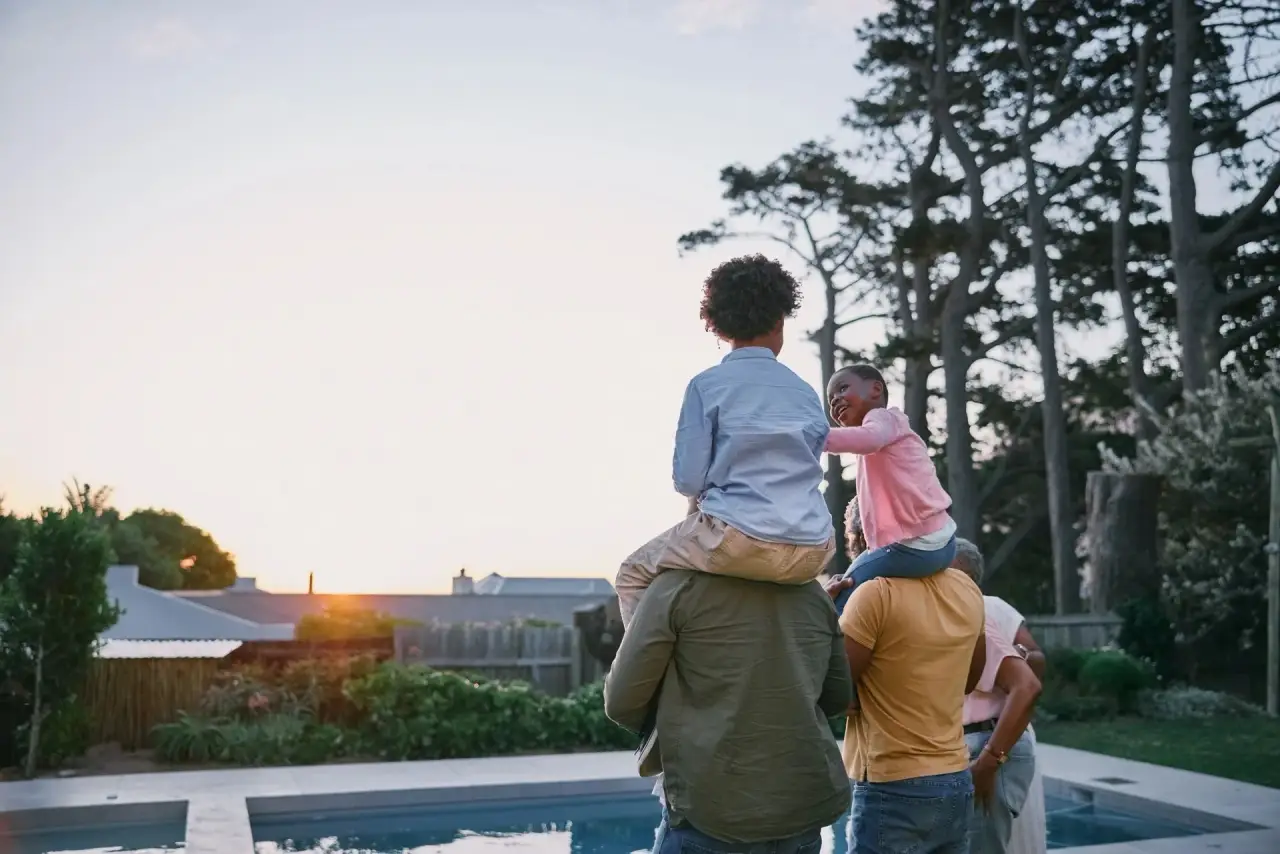
A pool or water gathering can quickly become dangerous when adults assume someone else is watching the children. Before swimming begins, designate an alert, sober adult as the Water Watcher.
The Water Watcher's only job is to supervise the water. That means no texting, reading, extended conversations, or distractions. For larger gatherings, adults can rotate this responsibility every 15 to 20 minutes.
Additional water-safety steps include:
- Keep young or inexperienced swimmers within arm's reach.
- Use properly fitted life jackets around lakes, rivers, beaches, and other open water.
- Do not rely on inflatable toys as a substitute for life jackets or supervision.
- Keep pool gates secured and use barriers around home pools.
- Make sure children know the water rules before they enter.
- Keep reaching or rescue equipment available near the pool.
- Never allow swimming or water supervision while impaired by alcohol or drugs.
- Continue supervising children even when a lifeguard is present.
Parents and caregivers should also know how to respond if a child is pulled from the water or becomes unresponsive. CPR skills can make a critical difference while emergency services are on the way.
3. Prepare for busy holiday traffic
Labor Day is a busy travel weekend, which means roads may be crowded and drivers may face longer travel times. Build extra time into your plans instead of rushing.
Before leaving:
- Confirm that everyone is properly secured with a seat belt or an age-appropriate car seat or booster.
- Check tires, fluids, lights, and emergency supplies.
- Charge phones and keep a first-aid kit in the vehicle.
- Plan rest stops for longer drives.
- Avoid driving while tired.
- Put phones away and eliminate unnecessary distractions.
- Designate a sober driver if alcohol will be part of the celebration.
- Never leave a child or pet alone in a parked vehicle.
If you are traveling with children, keep water, snacks, medications, and comfort items easy to access. A little preparation can prevent a minor inconvenience from becoming a stressful roadside emergency.
4. Protect against sun and heat
Outdoor activities can lead to dehydration, sunburn, heat exhaustion, or more serious heat-related illness.
Encourage everyone to:
- Drink water regularly, even before feeling thirsty.
- Take breaks in shade or air conditioning.
- Wear lightweight clothing, hats, and sunglasses.
- Apply sunscreen as directed and reapply after swimming or heavy sweating.
- Watch children closely for unusual tiredness, dizziness, headache, nausea, or weakness.
- Move anyone showing signs of heat illness to a cooler location and begin cooling measures.
- Seek emergency help for confusion, collapse, severe weakness, or other signs of a serious medical emergency.
Children, older adults, and people with certain medical conditions may be more vulnerable to heat. Plan outdoor activities around breaks rather than waiting until someone feels unwell.
5. Use caution with fireworks and open flames
Labor Day is not traditionally a fireworks holiday in the same way as Independence Day, but fireworks, sparklers, campfires, and other open flames may still be part of some gatherings.
If fireworks are present, follow local laws and manufacturer instructions. Keep children away from ignition areas, never relight malfunctioning fireworks, and keep water or suitable firefighting equipment available.
For candles, fire pits, and campfires:
- Keep flames away from structures, dry grass, and flammable decorations.
- Maintain close adult supervision.
- Extinguish fires completely before leaving the area.
- Keep matches, lighters, and fuel away from children.
6. Follow the two-hour food-safety rule
Outdoor food can become unsafe quickly in warm weather. Perishable foods — including meat, dairy products, cut fruit, creamy salads, and many cooked dishes — should not remain at room temperature for more than two hours.
When outdoor temperatures reach approximately 90°F or higher, the recommended window is generally reduced to one hour.
For safer picnics:
- Keep cold foods in a cooler with plenty of ice.
- Keep hot foods hot until they are served.
- Use separate utensils for raw and cooked foods.
- Wash hands before preparing or eating food.
- Do not leave serving dishes in direct sunlight.
- When in doubt, throw it out.
More food-safety information is available through the U.S. Department of Agriculture's food-safety guidance.
Be Ready for Common Pediatric Emergencies
Family gatherings often include infants, toddlers, and children who may face emergencies such as choking, falls, burns, allergic reactions, bleeding, or water-related incidents.
Parents, grandparents, babysitters, teachers, and caregivers do not need to anticipate every possible emergency — but they should know how to recognize danger, call 911, and provide appropriate first aid while help is coming.
For a deeper look at infant and child CPR, read today's companion article: Pediatric CPR for Parents: A Step-by-Step Guide to Infant & Child CPR.
Formal training can help families move from uncertainty to confident action. I provide professional Red Cross and HSI training, including Pediatric First Aid & CPR/AED, First Aid, CPR/AED, Basic Life Support, and Stop the Bleed instruction — and as a mobile instructor, I come to you.
Schedule Training Before the Next Gathering
I offer mobile, hands-on training and flexible blended-learning options for individuals, families, schools, childcare programs, churches, businesses, and community organizations. I am the sole instructor at Code Blue Safety Skills, which means every class is led personally by me.
I serve San Diego County, Temecula, Murrieta, Menifee, and Lake Elsinore. I work by appointment only — reach out by phone or email and include the specific dates you want for the class.
This Labor Day, enjoy time with the people who matter most — and take a few minutes to make sure everyone knows how to respond if an emergency occurs.
This article provides general safety information and is not a substitute for emergency services or formal medical training. In an emergency, call 911 and follow the dispatcher's instructions.
Sources and Further Reading
- U.S. Department of Labor: The History of Labor Day
- U.S. Bureau of Labor Statistics: Employment Situation
- U.S. Consumer Product Safety Commission: Pool Safety
- U.S. Fire Administration: Grilling Safety
- Code Blue Safety Skills: Mobile First Aid and CPR Training
Explore Topics
Written by
David Onori
David Onori is a Trained Emergency Medical Responder (EMR) and Red Cross & HSI certified CPR and First Aid instructor serving Temecula, Murrieta, San Diego, and surrounding Southern California communities. He is a member of the Red Cross Ready Rating Business program. Every class is taught onsite — he comes to you.