Americans Stand Ready: A Factory Team's CPR Save Shows Why Workplace Preparedness Matters in 2026
· 7 min read · David Onori
A workplace emergency can change everything in less than a minute.
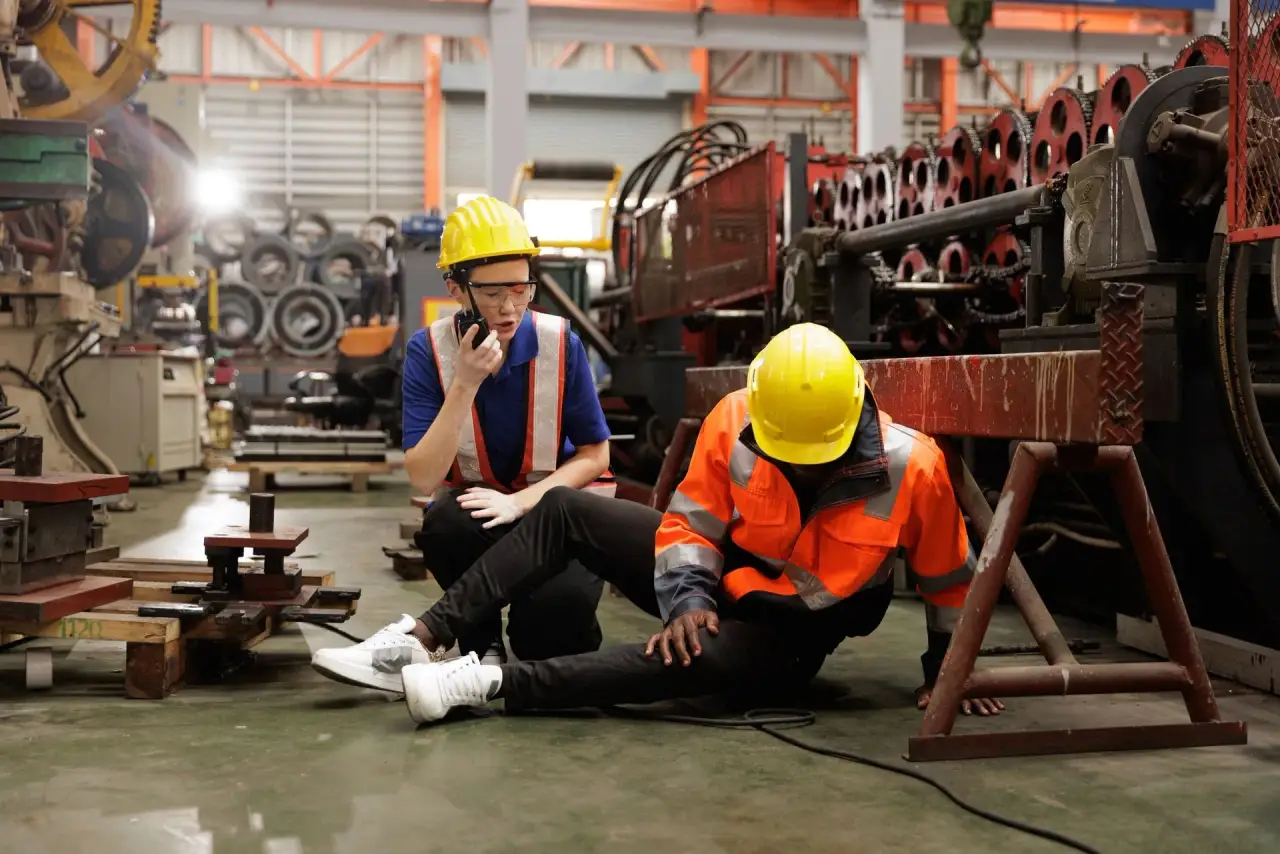
That reality was on display this week at Keystone RV's Plant 2 in Goshen, Indiana, where employee Pat Moran collapsed after suffering a massive heart attack. According to RVBusiness coverage published September 3, 2026, his coworkers immediately recognized the emergency, called for help, started CPR, and continued providing care until professional responders arrived.
Moran survived. Five employees — Abby Thomas, Michelle Wolfe, Jerry Troyer, Johnny Eppert, and Harry Vance — were later recognized for taking action during those critical first moments.
The story is more than an uplifting workplace headline. It is national news evidence of what happens when employees know what to do, an AED is available, and a team is prepared to respond before EMS reaches the scene.
Why the Keystone RV CPR save matters
Cardiac arrest remains one of the leading causes of death in the United States, and only about 10% of people who experience an out-of-hospital cardiac arrest survive. The first minutes are often decisive.
According to American Red Cross CPR facts and statistics:
- Immediate CPR can double or triple a person's chance of survival.
- Survival chances decrease by approximately 10% for every minute without CPR or defibrillation.
- Early AED use can significantly improve the chance of survival when a shockable rhythm is present.
Yet preparedness gaps remain. Fewer than one in five people nationwide report knowing how to operate an AED. Even when a workplace owns an AED, employees may not know where it is, how to retrieve it, or who should use it during an emergency.
In a large factory, warehouse, office building, or distribution center, these delays can be especially serious. Arriving responders may need to navigate multiple entrances, production areas, security checkpoints, elevators, or expansive floor plans. The first minutes of bystander care may occur before EMS can physically reach the person who needs help.
At Keystone RV, employees bridged that gap.
What makes a workplace truly ready?
A workplace is not fully prepared simply because it has a first aid kit or an AED mounted on a wall. Real readiness combines equipment, trained people, clear procedures, and regular practice.
1. Employees can recognize a cardiac emergency
A prepared team understands that sudden collapse, unresponsiveness, and abnormal or absent breathing require immediate action. Employees should not wait for certainty or assume someone else has already called 911.
Training helps staff recognize the situation quickly and move from confusion to action.
2. The AED is accessible and clearly identified
An AED should be easy to find, available during all operating hours, and positioned where employees can reach it quickly. Businesses should also maintain a simple inspection process to check battery status, electrode expiration dates, and readiness indicators.
Every employee does not need to be an AED technician. AEDs provide voice and visual prompts, but people still need confidence to retrieve and apply the device.
3. Multiple employees are trained
Depending on one designated responder creates a vulnerability. That person may be off-site, on vacation, working another shift, or too far away when an emergency occurs.
A stronger plan trains employees across departments and shifts. In a manufacturing environment, that may include supervisors, line leads, office staff, maintenance teams, security personnel, and members of a workplace safety committee.
4. Employees practice the response
Hands-on training makes a difference. People who have physically practiced chest compressions, AED operation, and team communication are more likely to act decisively during a real emergency.
Scenario practice can also reveal problems before an emergency occurs:
- Who calls 911?
- Who retrieves the AED?
- Who meets responding personnel at the entrance?
- How are employees directed away from the emergency area?
- What happens if the incident occurs during a shift change?
- How will the team respond if the primary AED is inaccessible?
Preparedness is strongest when the response is familiar.
National Preparedness Month gives businesses a reason to act now
FEMA's National Preparedness Month 2026 campaign uses the theme “Americans Stand Ready.” The message emphasizes unity, resilience, resourcefulness, and the responsibility individuals have to protect their families, coworkers, and communities.
FEMA specifically encourages people to prepare before an emergency occurs, make plans, build kits, and learn skills such as first aid and CPR. Those ideas apply directly to businesses.
A company's preparedness plan should not focus only on earthquakes, fires, severe weather, or other large-scale disasters. Medical emergencies can happen on an ordinary workday, during a staff meeting, in a break room, or on a production floor.
Making workplace CPR and AED readiness part of your September planning can also support broader 2026 safety goals and certification efforts. Businesses can use National Preparedness Month to review certifications, identify gaps by shift, inspect emergency equipment, and schedule training before the end of the year.
If your organization plans an annual National Heart Month CPR class, September is an ideal time to begin coordinating dates and building participation. Waiting until February can create scheduling pressure, especially for large teams.
Bring workplace CPR and first aid training to your location
Code Blue Safety Skills helps Southern California businesses turn emergency preparedness into practical, usable skills. My mobile training service comes to your workplace, office, school, church, or other location with the equipment needed for hands-on instruction.
I offer:
- First Aid, CPR & AED
- Pediatric First Aid & CPR/AED
- Basic Life Support (BLS)
- Stop Life-Threatening Bleeding
- Certification renewals
- Corporate and group training
My programs are available through American Red Cross and HSI training programs. Courses follow current Red Cross and HSI science, including applicable r.25-era resuscitation updates, while keeping the learning practical and focused on real-world response.
Organizations can choose traditional in-person instruction or blended learning that combines online coursework with an in-person skills session. This flexibility can make it easier to train employees across schedules while preserving the hands-on practice needed for confidence.
Code Blue Safety Skills provides on-site first aid training for offices, manufacturing facilities, schools, fitness centers, daycare programs, healthcare workplaces, and community organizations. For employers searching for Mobile CPR Training San Diego, my service area includes San Diego County, Temecula, Murrieta, Menifee, and Lake Elsinore, with broader Southern California service available by arrangement.
Practical steps employers can take this month
To build a stronger workplace response, business leaders can begin with five actions:
- Review current certifications. Identify which employees are trained, when certifications expire, and whether all shifts have coverage.
- Map AED locations. Confirm that employees know where each AED is located and that signs are visible.
- Inspect emergency equipment. Check AED readiness indicators, batteries, pads, first aid supplies, and bleeding-control equipment.
- Create an emergency response team. Assign responsibilities for calling 911, retrieving the AED, guiding responders, and documenting the event.
- Schedule a realistic drill. Practice the response in the actual work environment, including the entrances and pathways EMS would use.
These steps do not replace professional emergency services. They help employees provide immediate care while the 911 system and medical responders are activated.
Prepared employees are part of a resilient community
Pat Moran's survival began with coworkers who recognized the emergency and acted. Their response demonstrates the purpose of CPR and AED training: not to turn employees into medical professionals, but to help ordinary people provide meaningful care during the minutes when it matters most.
“Americans Stand Ready” is a national message, but readiness is built locally — one workplace, one team, and one practiced response at a time.
If your organization needs First Aid, CPR & AED, Pediatric First Aid, BLS, bleeding-control training, certification renewals, or corporate and group instruction, contact Code Blue Safety Skills. Training is appointment-only. Please email d.onori@codebluesafetyskills.com or call (951) 669-4177, and include the specific dates you want for the class, along with your preferred training format and approximate group size.
Explore Topics
Written by
David Onori
David Onori is a Trained Emergency Medical Responder (EMR) and Red Cross & HSI certified CPR and First Aid instructor serving Temecula, Murrieta, San Diego, and surrounding Southern California communities. He is a member of the Red Cross Ready Rating Business program. Every class is taught onsite — he comes to you.