September 11 and the Legacy of Everyday Preparedness
· 4 min read · David Onori
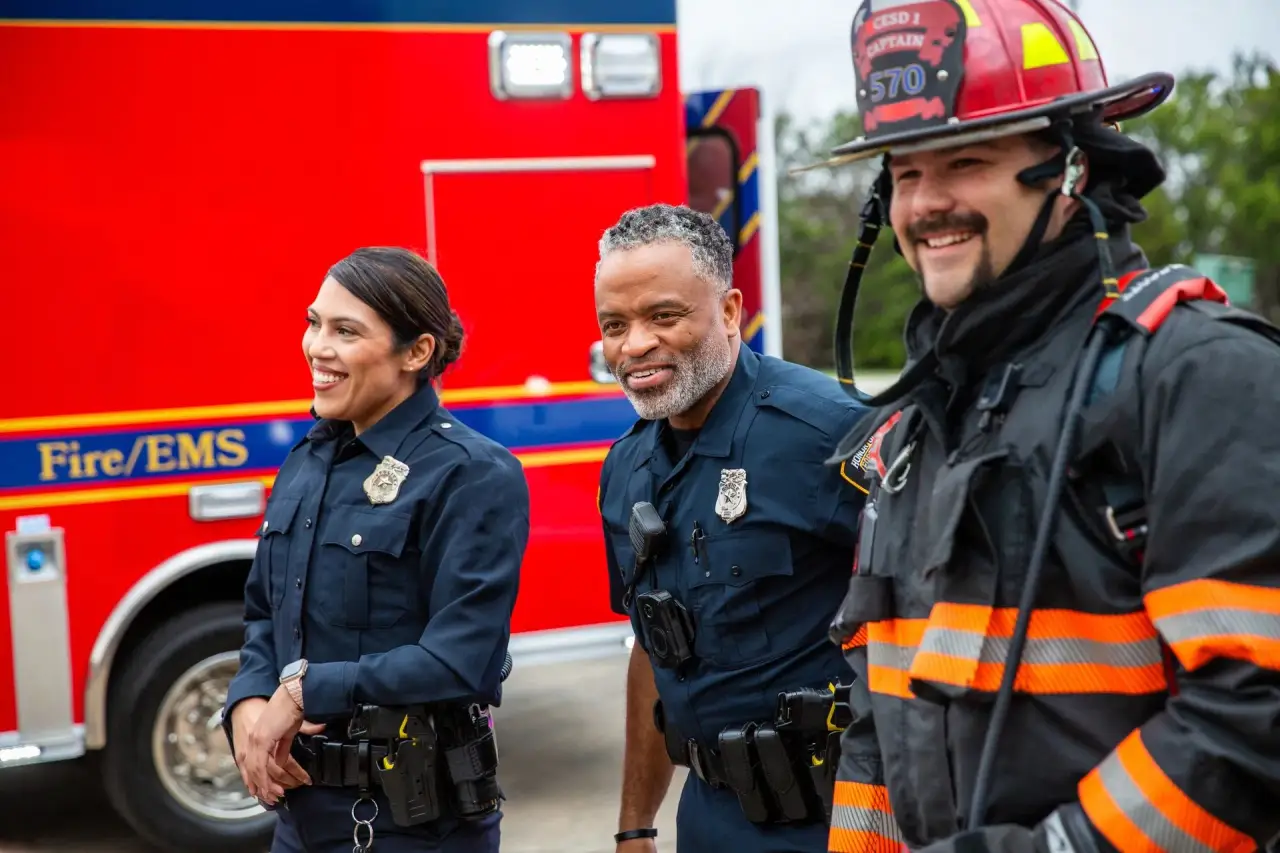
Twenty-five years ago today, thousands of first responders ran toward danger while the rest of the country watched in disbelief.
Firefighters, paramedics, police officers, and emergency medical technicians responded to the World Trade Center, the Pentagon, and a field in Shanksville, Pennsylvania. Many of them did not come home.
On September 11, we remember them.
What Ordinary People Did That Day
The professional first responders are rightly honored. But September 11 also showed the world what ordinary people are capable of when seconds matter and help has not yet arrived.
In the towers, office workers helped injured colleagues down dozens of flights of stairs. Strangers carried people they had never met. Bystanders on the streets of Lower Manhattan provided whatever care they could with whatever they had.
On United Flight 93, passengers made a decision — with no training, no equipment, and no certainty about the outcome — to act. Their actions prevented a fourth attack on the United States Capitol.
None of those people were professional rescuers. They were teachers, accountants, financial analysts, and travelers. They acted because someone needed help and they were there.
That is the definition of a bystander responder.
What September 11 Changed About Emergency Preparedness
The events of that day accelerated a shift that was already beginning in emergency medicine: the recognition that professional responders cannot always be the first line of care.
In the years that followed, several programs grew directly from the lessons of September 11 and the conflicts that followed:
Stop the Bleed — Developed in part from military trauma care refined after 9/11, Stop the Bleed teaches civilians how to control life-threatening bleeding using direct pressure, wound packing, and tourniquets. It is now taught in schools, workplaces, and community organizations across the country.
Hands-Only CPR awareness — Public campaigns expanded significantly in the years after 9/11, driven by the recognition that cardiac arrest survival depends on bystander action in the first minutes — long before an ambulance arrives.
Community Emergency Response Teams (CERT) — FEMA's CERT program, which trains community members in basic disaster response, saw significant growth and investment after 2001.
Workplace emergency planning — Organizations across the country revisited their emergency procedures, AED placement, and staff training requirements in the years following the attacks.
The through line in all of these programs is the same: trained civilians save lives when professional help is not yet on scene.
The Gap Between an Emergency and the Ambulance
The average emergency medical services response time in the United States is between seven and ten minutes. In rural areas, it can be significantly longer.
Cardiac arrest causes irreversible brain damage within four to six minutes without CPR. Uncontrolled bleeding can be fatal in as little as three to five minutes.
That gap — between when an emergency begins and when professional help arrives — is where bystander training matters most.
September 11 made that gap visible to the entire country at once. The people who helped that day did not wait for permission or perfect conditions. They used what they knew and what they had.
Why I Do This Work
I became a CPR and first aid instructor because I believe that preparedness belongs in every community — not just in hospitals, fire stations, and ambulances.
I am a trained Emergency Medical Responder and a dual-certified instructor through the American Red Cross and HSI. I come to workplaces, schools, homes, and community organizations throughout San Diego County, Temecula, Murrieta, Menifee, and Lake Elsinore because I want the people in those places to know what to do before help arrives.
That is the same instinct that drove the bystanders on September 11. They did not have a certification card. But some of them had knowledge, and that knowledge made a difference.
Honoring the Day by Being Ready
The best way I know to honor the first responders and civilians of September 11 is to make sure more people are prepared to act in an emergency.
Not because emergencies are inevitable. Not out of fear. But because the people around us — coworkers, neighbors, family members, strangers on the street — deserve to have someone nearby who knows what to do.
If you have been thinking about getting certified, or renewing a certification that has lapsed, today is a meaningful day to take that step.
Classes are available by appointment. Call or text me at (951) 669-4177 or use the contact form at codebluesafetyskills.com to schedule a session for yourself, your family, or your team.
To the first responders of September 11, and to every firefighter, paramedic, police officer, and EMT who serves this country — thank you.
We remember.
Explore Topics
Written by
David Onori
David Onori is a Trained Emergency Medical Responder (EMR) and Red Cross & HSI certified CPR and First Aid instructor serving Temecula, Murrieta, San Diego, and surrounding Southern California communities. He is a member of the Red Cross Ready Rating Business program. Every class is taught onsite — he comes to you.