Mobile CPR Training vs. Traditional Classes: Which Is Better for Your Safety Goals?
· 6 min read · David Onori
Mobile CPR Training vs. Traditional Classes: Which Is Better for Your Safety Goals?
CPR training has changed. Gone are the days when your only option was driving across town, sitting in a cramped classroom for four hours, and hoping the schedule worked with your life.
Mobile CPR training brings the class to you — your workplace, your home, wherever makes sense for your team or family. But is it actually better than traditional classroom training? Let's break it down without the fluff.
What Is the Real Difference?
Traditional CPR classes are what most people picture: a fixed location, scheduled time slots, rows of manikins, and an instructor leading a group through techniques. You show up, you learn, you get certified, you leave.
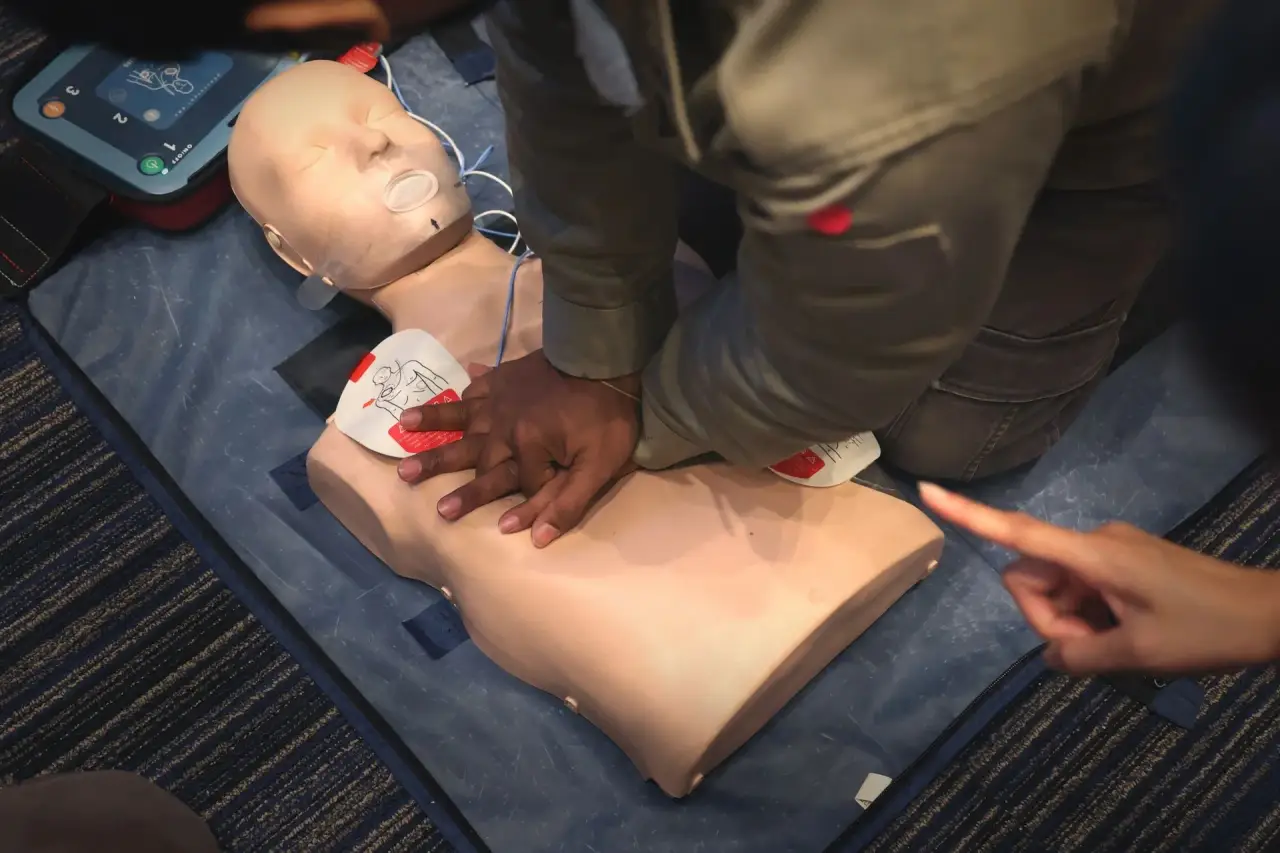
Mobile CPR training flips that model. The instructor comes to you with all the equipment — manikins, AED trainers, training materials — and delivers the same hands-on certification at your location. It is not online theory or a video course. It is real, in-person training, just without the commute.
Both methods can get you certified. The question is which one fits your schedule, budget, and situation better.
Does Mobile Training Actually Work?
Let's address the elephant in the room: can mobile training deliver the same quality as a traditional class?
Yes. Research comparing instructor-led and classroom-based courses consistently shows that participants perform similarly in CPR skills assessments. What matters most is hands-on practice with proper feedback — not the location.
That is why I emphasize real, tactile training at every session. You are not watching videos and hoping for the best. You are practicing compressions, using AED trainers, and getting immediate corrections — the same experience you would get in a traditional setting. The only difference is I come to you.
The Flexibility Factor
Traditional classes typically run 3–5 hours and require you to work around their schedule. Miss the session and you are waiting weeks for the next available date.
Mobile training lets you choose when and where. Need to certify your entire office staff? I can schedule a session during your team meeting. Parents looking to get certified before summer sports season? I will come to you on a Saturday morning. Small business owner with an unpredictable schedule? Pick a day that actually works.
This flexibility matters when you are trying to fit certification around everything else on your plate. You are not sacrificing productivity, rearranging your life, or asking employees to drive across San Diego County, from Temecula to Murrieta, or from Menifee to Lake Elsinore after work.
Cost Comparison: What Are You Really Paying For?
Traditional CPR classes typically run $60–$150 per person depending on the provider and certification level. You are paying for the facility, overhead, and a standardized group experience.
Mobile training may cost slightly more per person — but here is what you are getting:
- Zero travel time and expenses for you or your team
- Training tailored to your environment — workplace hazards, pediatric needs, specific scenarios
- Flexible scheduling that does not disrupt your day
- Group rates that can make it cheaper when certifying multiple people at once
When you factor in lost productivity from employees traveling to and from a training center, mobile training often saves money while delivering better convenience.
Hands-On Practice: The Non-Negotiable
Here is what you absolutely cannot skip: physical practice. Watching CPR videos or reading about chest compressions will not prepare you for an actual emergency.
Both traditional and mobile training should provide extensive hands-on practice with manikins and AED equipment. The problem with some online-only courses is they try to certify people without this critical component. That is not training — that is just checking a box.
At every Code Blue Safety Skills session, I bring full equipment. You are performing compressions, practicing rescue breaths, and using real AED trainers. The only thing that is mobile is the location. The quality stays the same.
Building Confidence Under Pressure
Research shows that confidence matters just as much as knowledge. Participants with hands-on practice score higher in self-efficacy — meaning they actually believe they can perform CPR in a real emergency, not just pass a written test.
Traditional classes build this confidence through repetition and instructor feedback. Mobile training does the exact same thing, but in an environment that may feel more comfortable and less intimidating. When you are training in your own workplace or home, you are learning in the context where you are most likely to need these skills. That psychological advantage is real.
When Traditional Classes Make Sense
Traditional classes are not obsolete. They work well if:
- You prefer a structured classroom environment
- Your schedule aligns with available class times
- You are near a training center and the commute is not a barrier
There is nothing wrong with this approach. It has been the standard for decades and continues to certify thousands of people every year.
When Mobile Training Makes More Sense
Mobile training is the better fit when:
- You are certifying multiple people — a family, a team, an organization
- Your schedule is unpredictable or packed
- You want training tailored to your specific environment and needs
- Travel time would be a barrier to actually getting it done
- You prefer learning in your own space
For most people juggling work, family, and other commitments, mobile training removes the friction that keeps people from getting certified in the first place.
How to Get Started with Code Blue Safety Skills
I operate appointment-only, which means every session is personalized — not a cookie-cutter class with 30 strangers. When you book with me, you get focused, quality training that fits your schedule and situation.
Reach out with your preferred dates. Give me your top 2–3 options and I will work with you to find a time that works. Whether you are booking for yourself, your family, or your entire workplace team, I will bring everything needed directly to you.
No driving to unfamiliar locations. No rigid class times. No generic scenarios that do not apply to your life. Just professional, hands-on CPR and First Aid training that meets current Red Cross and HSI guidelines and gets you certified.
David Onori — Red Cross & HSI Certified Instructor, EMR | Code Blue Safety Skills | Serving San Diego County, Temecula, Murrieta, Menifee & Lake Elsinore
Explore Topics
Written by
David Onori
David Onori is a Trained Emergency Medical Responder (EMR) and Red Cross & HSI certified CPR and First Aid instructor serving Temecula, Murrieta, San Diego, and surrounding Southern California communities. He is a member of the Red Cross Ready Rating Business program. Every class is taught onsite — he comes to you.