Fall Sports Season Is Here: How Youth Leagues, Schools & Rec Teams Across San Diego County and Southwest Riverside Are Getting CPR-Ready
· 9 min read · David Onori
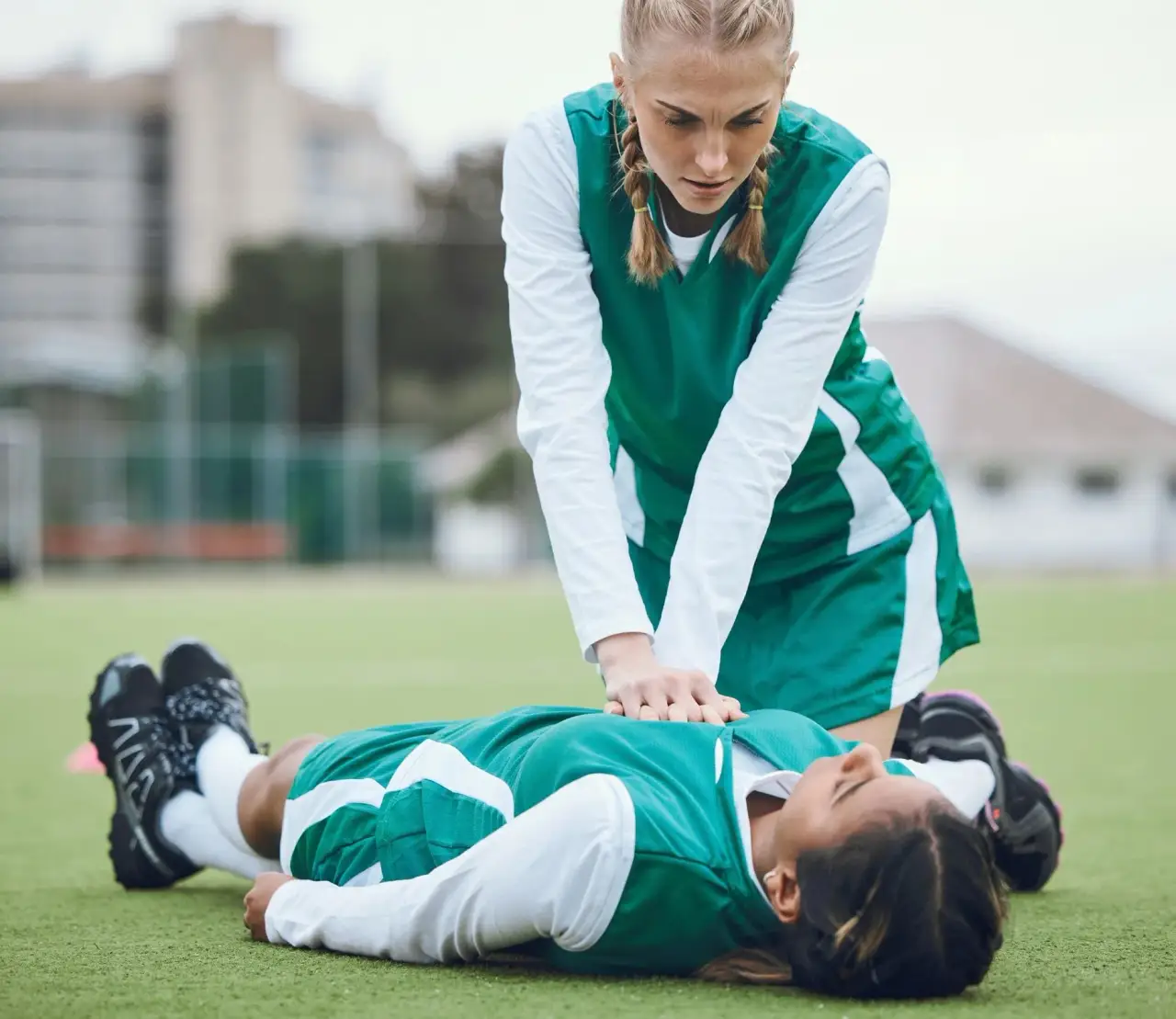
Fall sports bring busy fields, packed gyms, early-morning practices, and families moving between games across the region. In San Diego County, Temecula, Murrieta, Menifee, and Lake Elsinore, youth soccer, football, cross country, and water polo programs are preparing for another active season.
Many teams are also asking an important question:
If an athlete collapses or suffers a serious injury, who is ready to respond before professional help arrives?
Coaches, school staff, recreation leaders, athletic volunteers, and parents are increasingly taking CPR, AED, and first aid training before the season gets underway. The goal is not to turn volunteers into medical professionals. It is to help ordinary people recognize an emergency, take immediate action, and stay calm during the critical minutes before EMS arrives.
Fall Sports Create Different Emergency Challenges
Every sport has its own environment and risks.
- Soccer often takes place on large fields where the AED may be near a main office, recreation center, or parking area rather than on the sideline.
- Football combines intense exertion, heat exposure, contact injuries, and large crowds.
- Cross country can take athletes away from a central facility, creating challenges with communication, access, and locating a collapsed runner.
- Water polo adds pool-deck hazards, water emergencies, and the possibility that an emergency occurs away from the main entrance or lifeguard station.
Practices may happen at one location while games and tournaments take place at another. A team may use a school field on Tuesday, a city park on Thursday, and a gym or pool across town on Saturday.
That means a safety plan cannot simply say, “The AED is somewhere on campus.” Coaches and volunteers need to know:
- Where the AED is located
- Whether it is unlocked and accessible
- Which entrance EMS should use
- Who will call 911
- Who will retrieve the AED
- Who will meet emergency responders
- Who will supervise the rest of the team
- How parents or guardians will be notified
A few minutes of planning can make a major difference when a team is practicing far from an AED, an athletic trainer, or a hospital.
Sudden Cardiac Arrest: A Sideline Emergency That Requires Immediate Action
Sudden cardiac arrest can affect people of any age, including young athletes. It is different from a heart attack. During sudden cardiac arrest, the heart unexpectedly stops pumping effectively, and the person may collapse, become unresponsive, and stop breathing normally.
The basic response is straightforward:
- Recognize the collapse and check for responsiveness.
- Call 911 or direct someone specific to make the call.
- Begin CPR immediately.
- Send someone to retrieve the AED.
- Follow the AED's voice and visual prompts.
- Continue responding until EMS takes over or the person shows signs of life.
An AED is designed to guide users through the process. You do not need to be a physician to use one, but hands-on training helps coaches and volunteers become more confident with the equipment and the steps involved.
The Eric Paredes Save A Life Foundation provides a local example of why venue-specific planning matters. The foundation shares the story of Isabelle Owens, a young athlete who collapsed during a soccer game at a remote North County San Diego field. The account highlights how distance, locked facilities, limited cell service, and the absence of an immediately available AED can complicate an emergency response.
The lesson for local leagues is practical: Do not wait until game day to discover where the AED is or how to reach the field.
The foundation's Cardiac Emergency Response Planning resources include planning tools, drill guidance, AED maintenance information, and communication recommendations for youth sports organizations.
Heat Illness and Concussions Belong in the Same Safety Conversation
CPR and AED readiness are essential, but fall sports safety involves more than cardiac emergencies.
Southern California temperatures can remain high well into the fall. Football, soccer, cross country, and outdoor conditioning sessions may expose athletes to heat illness, especially when practices are long, hydration is limited, or athletes are not acclimated to the workload.
Coaches and volunteers should know the warning signs of heat-related illness, including:
- Headache, dizziness, or unusual fatigue
- Nausea or vomiting
- Confusion or unusual behavior
- Weakness or inability to continue
- Collapse or loss of consciousness
Programs should plan for water, shade, rest breaks, weather monitoring, and rapid cooling. A confused or collapsed athlete requires immediate attention and may need emergency medical care.
Concussions are another concern for football, soccer, water polo, and other contact or collision activities. A player who has a suspected concussion should be removed from play and evaluated according to the organization's medical and return-to-play procedures.
Coaches do not need to diagnose a concussion on the sideline. They do need to recognize possible warning signs, take the athlete out of the activity, and communicate clearly with parents and medical professionals.
What Local Programs Are Doing to Get Ready
Coaches are getting certified before the first whistle
A head coach may coordinate CPR/AED and first aid training for assistant coaches, team managers, and parent volunteers. This creates more than one trained responder at practices and games.
For many youth programs, the American Red Cross Adult and Pediatric First Aid/CPR/AED course is a useful option because it addresses emergencies involving adults, children, and infants. Programs serving younger athletes may also consider Red Cross pediatric-focused training.
The American Red Cross First Aid and CPR training information explains available course formats, including instructor-led and blended options.
Schools and leagues are documenting their emergency plans
A written plan should be specific to each field, gym, track, or pool. A plan for a high school football stadium may not work for a remote cross-country course or a community soccer complex.
The County of San Diego has highlighted youth sports AED access and emergency planning in its local youth sports safety information. Programs can also review California's Assembly Bill 1467 information and confirm current requirements with their governing organization or legal advisor.
Parent volunteers are becoming part of the safety team
Parent volunteers are often present at practices, tournaments, snack tables, and check-in areas. They may be the closest adults to an emergency when a coach is handling another athlete or speaking with an official.
A parent does not need a medical background to learn:
- How to recognize an unresponsive athlete
- How to begin CPR
- How to retrieve and operate an AED
- How to control serious bleeding
- How to respond to common first aid emergencies
- How to help direct EMS to the correct location
Training several parents per team can create a stronger safety network, especially during tournaments and large multi-field events.
How Long Does Hands-On Training Take?
One concern for busy teams is time.
A blended Red Cross or HSI course can allow participants to complete online learning before attending a practical, in-person session. The hands-on portion is a focused appointment rather than another full day of classroom instruction.
For many groups, an in-person skills session may take approximately one to two hours, depending on the selected course, group size, certification requirements, and number of practice stations. Larger leagues can schedule staggered sessions for different coaching groups.
HSI's Pediatric First Aid | CPR AED program is designed for people who care for children, including youth sports coaches, school personnel, camp staff, and parents. It can include pediatric first aid, child and infant CPR/AED, and adult CPR/AED options based on the organization's needs.
The important point is that training can fit into the preseason schedule. A league meeting, coach orientation, or parent volunteer day can become an opportunity to build real emergency skills.
A Simple Fall Sports Readiness Checklist
Before the season begins, ask your team or organization:
- Is there a written emergency action plan for every venue?
- Is the AED accessible during every official practice and game?
- Do coaches know the exact AED location?
- Has someone checked the AED pads, battery, and signage?
- Can someone unlock gates or direct EMS to the field?
- Are multiple coaches and parent volunteers CPR/AED trained?
- Do staff know the organization's heat illness and concussion procedures?
- Have roles been assigned for calling 911, retrieving the AED, and meeting EMS?
- Has the team practiced a simple emergency scenario?
- Have parents been told where the AED is and what to do in an emergency?
A short practice drill can reveal problems that are difficult to see on paper. The team may discover that the AED is too far away, a gate is locked, the field address is unclear, or no one knows who is responsible for calling 911.
Bring CPR and First Aid Training to Your Team
I provide professional, hands-on, and blended First Aid and CPR/AED training for youth leagues, schools, recreation programs, and community organizations across San Diego County, Temecula, Murrieta, Menifee, and Lake Elsinore. I come to you — mobile training can be brought directly to your location.
Training options may include:
- Adult and pediatric CPR/AED
- Pediatric First Aid & CPR/AED
- Basic Life Support
- Stop Life-Threatening Bleeding
- Certification renewals
- Blended learning with online coursework and in-person skills practice
Because I'm appointment-only, please email or call Code Blue Safety Skills and include the specific dates you want for your class. Sharing several preferred dates makes it easier to coordinate coaches, staff, and parent volunteers.
This fall, do more than print an emergency plan. Practice the response, locate the AED, and make sure the people on the sideline feel prepared to use their skills.
Book a mobile, on-site training session with Code Blue Safety Skills for your team, school, or organization.
Local Resources
- San Diego County Parks: Youth Sports AED Safety
- Eric Paredes Save A Life Foundation: Youth Sports Cardiac Emergency Response Planning
- American Red Cross: First Aid Training
- HSI Pediatric First Aid | CPR AED
- California Assembly Bill 1467
Explore Topics
Written by
David Onori
David Onori is a Trained Emergency Medical Responder (EMR) and Red Cross & HSI certified CPR and First Aid instructor serving Temecula, Murrieta, San Diego, and surrounding Southern California communities. He is a member of the Red Cross Ready Rating Business program. Every class is taught onsite — he comes to you.