Back-to-School CPR Readiness for Local Schools
· 6 min read · David Onori
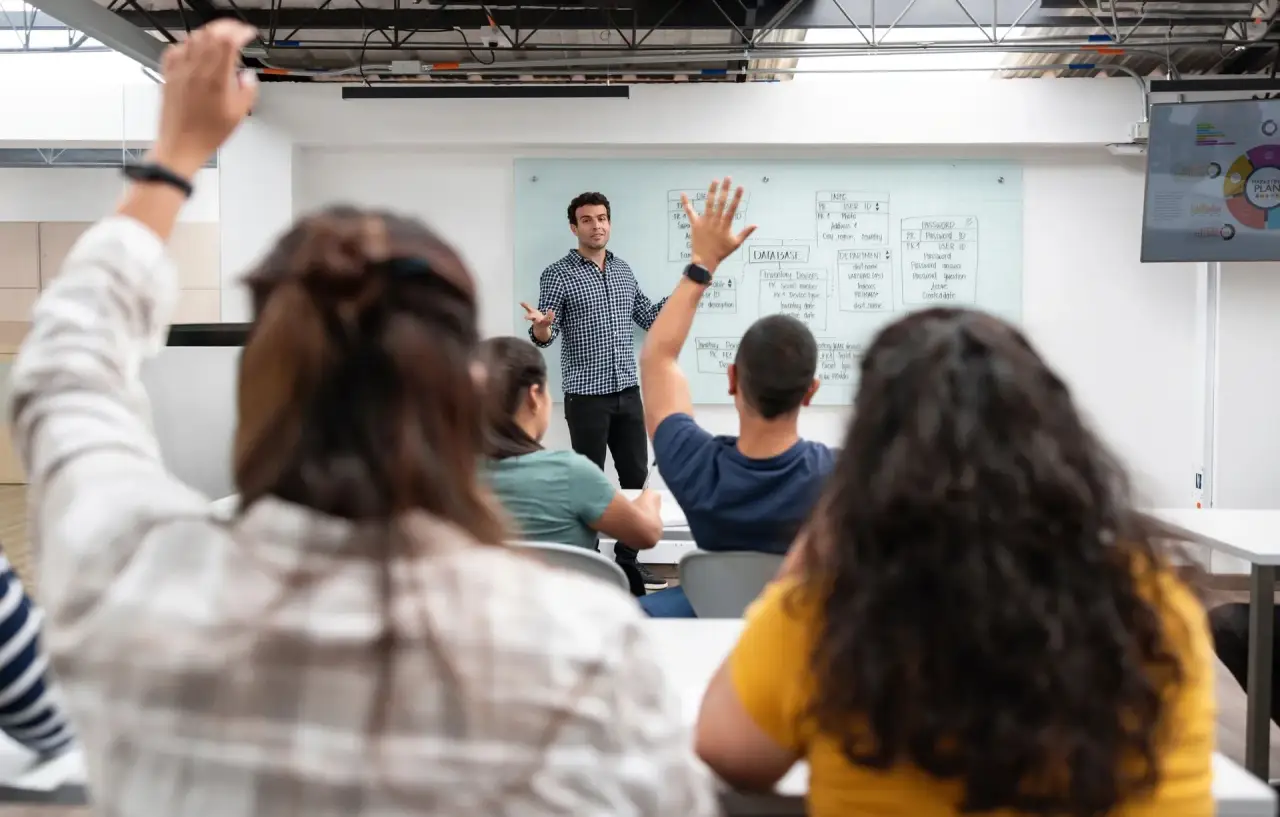
As classrooms reopen and fall activities begin, schools and childcare programs across Southern California are reviewing more than lesson plans and supply lists. They are also asking an important question: are the adults responsible for children prepared to respond during the first critical moments of an emergency?
Teachers, daycare staff, coaches, office personnel, parents, and caregivers may be the closest adults when a child or adult experiences cardiac arrest, choking, a serious allergic reaction, a fall, or another medical emergency. CPR and first aid training builds more than a certificate. It helps people recognize a problem, take action, use available equipment, and continue helping until professional responders arrive.
For many local schools and childcare organizations, mobile on-site training is a practical way to prepare for the school year.
Training that works around real school schedules
Back-to-school calendars are busy. Staff development days, teacher preparation, parent nights, sports practices, childcare coverage, and the first weeks of instruction can make it difficult for every employee to attend a public class at a fixed time and location.
Mobile training helps remove that obstacle. I bring the training equipment to your school, center, office, or community location so staff can train together in a familiar setting while practicing skills that relate directly to their environment.
On-site training can be planned around:
- Teacher in-service days
- Staff meetings and professional development blocks
- Before-school or after-school hours
- Seasonal sports and coaching schedules
- Childcare center coverage needs
- Parent education events
- Certification renewal deadlines
Training together also supports teamwork. Staff can discuss who will call 911, who will retrieve the AED, who will meet responding personnel, and who will supervise other children during an emergency.
The people who care for children every day
A back-to-school CPR plan should include more than one designated safety person. Emergencies can happen in a classroom, on a playground, in a gym, on a field trip, during an athletic event, or in a parking area. The more prepared adults a school or childcare program has, the stronger its response network becomes.
Teachers and classroom staff
Teachers spend extended periods with students and may be first to notice that something is wrong. Training can help them respond to breathing emergencies, cardiac arrest, choking, bleeding, injuries, and other common situations while keeping the rest of the class as safe and calm as possible.
Daycare and preschool professionals
Childcare providers work with infants and young children who require age-specific response skills. Pediatric First Aid and CPR/AED programs can cover adult, child, and infant emergencies, making them a practical choice for staff responsible for young children.
Programs should confirm that the course they select meets their licensing, employer, or regulatory requirements. California childcare providers should also verify current requirements with the appropriate licensing authority.
Coaches and activity leaders
Coaches may supervise students during high-energy activities, practices, competitions, and travel. CPR, AED, first aid, and bleeding-control training can help coaches respond to sudden collapse, sports injuries, heat-related emergencies, and traumatic incidents.
Parents and caregivers
Parents may not need workplace certification, but learning CPR and first aid can benefit the entire community. A parent trained at a school safety night or community class may be better prepared to help at home, in the neighborhood, or during a youth activity.
Choosing a recognized training program
Schools and childcare organizations often look for training that is practical, current, and recognized by employers or regulators. Code Blue Safety Skills offers American Red Cross and Health & Safety Institute (HSI) training, with course options that can match the responsibilities of your group.
A daycare center may need pediatric content. A healthcare facility may need Basic Life Support. A school athletic department may want CPR/AED, first aid, and bleeding-control training for coaches. Parents may prefer a community-focused adult and pediatric program.
Red Cross and HSI programs can be offered in full classroom or blended formats, depending on the course. Blended learning combines online coursework with an in-person skills session, giving participants time to learn the knowledge portion at their own pace before practicing with an instructor.
Why hands-on practice matters
Online education can be useful, but it may not meet every workplace or licensing requirement because it may not include instructor-verified skills practice. Before registering, administrators should confirm exactly what documentation their organization requires.
Hands-on practice gives participants the opportunity to:
- Practice high-quality CPR
- Use an AED trainer
- Respond to adult, child, and infant emergencies when included in the course
- Practice choking response
- Ask questions based on real classroom, playground, and activity settings
- Demonstrate practical skills with instructor feedback
That feedback is what helps turn information into confidence.
Turn training into a campus readiness plan
A certification class is an important starting point, but schools can strengthen their preparation with a simple response review. After training, administrators and staff can walk through these questions:
- Where are the AEDs located?
- Is the equipment accessible during school hours, sports, and after-school programs?
- Who is responsible for calling 911?
- Who will retrieve the AED and first aid supplies?
- Is the campus address clearly posted for emergency responders?
- Are emergency contact lists current?
- What is the plan for supervising students while staff respond?
- Do field trips and off-site activities have trained adults present?
- Which certifications expire during the school year?
- Does each classroom or activity area have access to gloves and basic first aid supplies?
These conversations help turn training into a coordinated school safety culture. They also give new staff members an opportunity to understand the campus response plan before an emergency occurs.
Mobile training for local schools and organizations
I provide professional mobile and blended First Aid and CPR training for individuals, schools, childcare programs, businesses, and community organizations throughout San Diego County, Temecula, Murrieta, Menifee, Lake Elsinore, Rainbow, and Rancho Murrieta.
Available options include:
- Adult and Pediatric First Aid, CPR/AED
- Adult CPR/AED
- Pediatric First Aid and CPR/AED
- Basic Life Support for healthcare providers
- Stop the Bleed training
- Certification renewals
- Full in-person and blended learning formats
If your school, daycare, parent group, or athletic department would like to schedule a class, please remember that scheduling is appointment-only. Email d.onori@codebluesafetyskills.com or call (951) 669-4177 with your preferred dates, location, approximate number of participants, and course of interest.
A confident start to the school year
The first weeks of school are about creating routines, building relationships, and helping students feel secure. CPR and first aid readiness belong in that conversation.
When teachers, daycare staff, coaches, parents, and administrators practice together, they become more comfortable responding under pressure. They know where equipment is located, understand their responsibilities, and are more prepared to act when a child, coworker, or visitor needs help.
A prepared campus is not one where emergencies never happen. It is one where more people are ready to respond when they do.
Explore my courses or contact me to discuss mobile or blended training for your school, childcare program, or organization.
Explore Topics
Written by
David Onori
David Onori is a Trained Emergency Medical Responder (EMR) and Red Cross & HSI certified CPR and First Aid instructor serving Temecula, Murrieta, San Diego, and surrounding Southern California communities. He is a member of the Red Cross Ready Rating Business program. Every class is taught onsite — he comes to you.